
Jewelry Compliance: Nickel, Lead and Cadmium Limits Explained
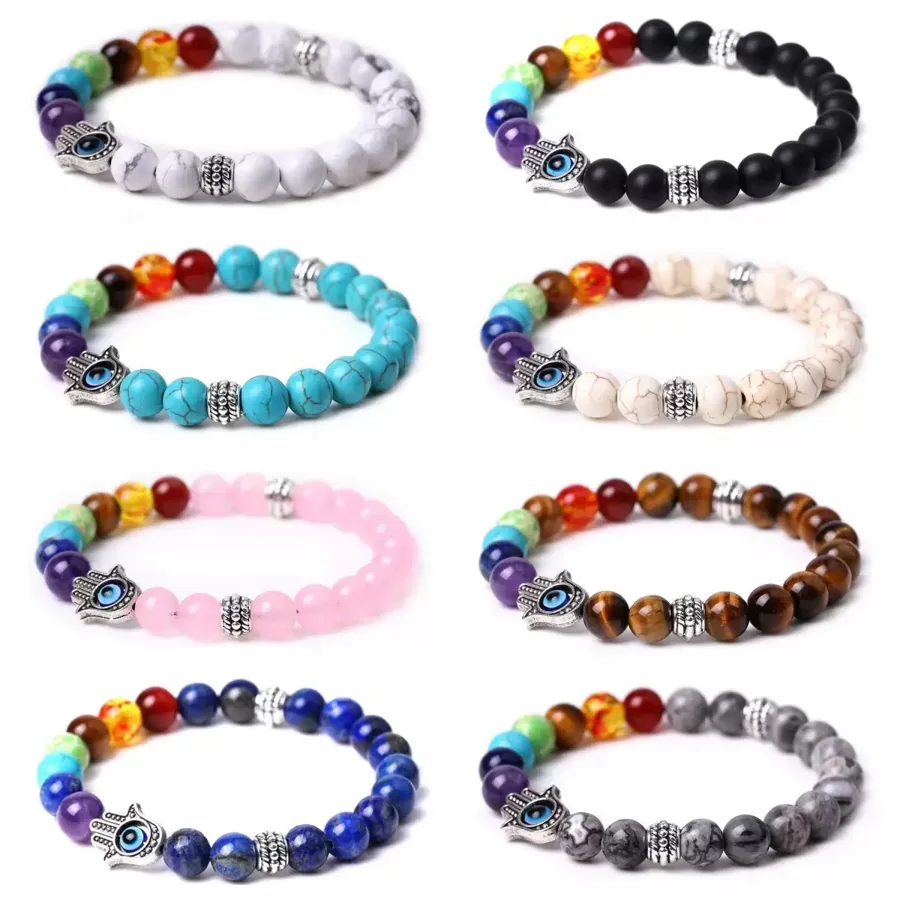
Jewelry worn against skin is regulated for three substances above all: nickel, lead and cadmium. In the EU, REACH restricts nickel release from items in prolonged skin contact and caps cadmium and lead in jewelry by weight. In the US, the CPSIA sets strict total-lead limits on children’s products and requires third-party testing and a Children’s Product Certificate, while California adds its own jewelry metal law and Prop 65 warning duties. The practical requirement is the same everywhere: get a test report from an accredited lab that names the exact component tested, keep it on file, and never rely on a verbal assurance. Anything marketed to children is a different and far stricter category — treat it separately.
Gemstone beads themselves are rarely the compliance issue. The risk sits in the metal: clasps, spacer beads, charms, findings, the Hamsa or evil-eye pendant, plating, and any solder. Those are the parts a regulator or a marketplace will test, and they are the reason an otherwise simple bracelet can be stopped at customs or delisted. This is an overview of what the main markets require and what to ask a supplier for — it is not legal advice, and limits do change, so confirm current figures against the regulation text or an accredited lab before you rely on them.
Why is nickel regulated?
Nickel is the most common cause of contact allergy in Europe. The EU does not ban nickel in jewelry; it limits how much nickel can be released onto skin over time. Under REACH, items intended for prolonged contact with skin — bracelets, rings, necklaces, watch backs, clasps — must stay under a nickel release limit measured in micrograms per square centimetre per week, and the limit for posts inserted into pierced body parts is considerably stricter. Testing uses standardised methods (the EN 1811 release test, usually after the EN 12472 wear-and-corrosion simulation, which matters because plating wears through in normal use). If you sell into the EU or UK, this applies to your metal components whether or not you manufactured them.
What about lead and cadmium?
Both are restricted in jewelry under REACH as a percentage of the weight of the metal part, with cadmium held to a far lower threshold than lead. Cadmium turns up in cheap bright-coloured plating and in some low-grade alloys used to keep costs down, which is exactly why inexpensive fashion jewelry is tested for it. Lead appears in solder and in some alloys. Neither is detectable by eye, which is the entire reason documentary evidence matters: the only way you or your customer can know is a laboratory report.
What does the US require?
The federal picture splits sharply by audience. The CPSIA governs children’s products — anything designed or marketed primarily for children 12 and under — and sets a strict total lead content limit on accessible parts, with a separate tighter limit for surface coatings. Children’s products also require testing at a CPSC-accepted third-party laboratory and a Children’s Product Certificate, and they must carry tracking labels. For adult jewelry, federal lead rules are less prescriptive, but that does not make it unregulated: states impose their own limits, marketplaces enforce their own standards, and product liability applies regardless.
What is California Prop 65?
Proposition 65 is a warning law rather than a limit: if a product can expose a Californian to a listed chemical — lead and cadmium are both listed — above the safe-harbour level, it must carry a specific warning. California separately has a jewelry-specific metals law restricting what materials jewelry sold in the state may contain. Prop 65 is enforced heavily through private lawsuits, which is why it produces so many warning labels, and why sellers into California usually either obtain test data showing exposure is below safe harbour or apply the warning defensively. If you sell on a US marketplace, assume California is in scope.
Children’s jewelry is a separate, stricter category
This is the single most common way a small seller gets into trouble. If a product is designed or marketed for children 12 and under — sized for a child, decorated with cartoon motifs, sold in a children’s section — it becomes a children’s product, with mandatory third-party testing, certification, tracking labels, and the strictest lead limits. Small parts and choking-hazard rules may also apply. A bracelet that is entirely legal as adult jewelry can be non-compliant the moment it is listed as a kids’ item, and the listing wording alone can determine that.
Which parts actually get tested?
- Clasps, jump rings, crimps and other findings — the metal most in contact with skin.
- Charms and pendants, including enamelled evil-eye and Hamsa pieces.
- Spacer beads and any plated metal component.
- Surface coatings and plating, which are tested separately from the base metal.
- Elastic cord and adhesives may be tested for other substances such as phthalates in children’s items.
What should you ask your supplier for?
Ask for a test report from an internationally accredited laboratory — SGS, Intertek, Bureau Veritas, TÜV and similar — that names the standard applied, the exact component tested, and the result against the limit. Three details separate a useful report from a worthless one. First, it must identify the component, not just "bracelet"; a report on a bead tells you nothing about the clasp. Second, check the date, because a report from years ago on a different production run has limited value. Third, confirm the report covers the market you sell into: an EU nickel release test is not a US children’s lead certificate.
Who is legally responsible?
The importer. This surprises people who assume the factory carries the risk. In practice the party placing the goods on the market in the EU, UK or US is the one a regulator contacts and the one a marketplace delists. Your supplier’s job is to supply compliant components and honest documentation; keeping that documentation, matching it to the goods you actually received, and deciding what you are willing to sell is yours. Keep test reports with the order file alongside the invoice and inspection report.
A practical approach for a small retailer
- Decide early whether anything you sell could be seen as a children’s product — and if so, treat it as a separate, tested, certified line.
- Ask for existing test reports before you order; many factories already hold them for standard components.
- Where reports do not exist and volume justifies it, commission testing on the specific components you are buying.
- Specify "nickel-free / lead and cadmium compliant findings" in writing on the purchase order, not just in chat.
- Keep every report on file for as long as you sell the product, and re-test when you change component supplier.
How we handle it
Most of what we make is natural stone, which is not the usual source of concern. Where an item includes metal findings or charms — the chakra and evil-eye bracelets, clasps, spacer beads — tell us the market you are selling into and we will confirm what documentation is available for those components and arrange testing where it is needed. If you are considering a children’s line, say so before sampling, because the material and certification requirements differ from the outset and it is far cheaper to design for them than to retrofit.
Frequently asked questions
Does jewelry sold in the EU have to be nickel-free?
Not literally nickel-free. REACH limits how much nickel may be released onto skin from items in prolonged contact, with a stricter limit for posts inserted into pierced body parts. Compliance is demonstrated by a release test, usually after a wear-and-corrosion simulation, because plating wears through in use.
Are lead and cadmium allowed in jewelry?
Both are restricted in the EU as a percentage of the weight of the metal part, with cadmium held to a much lower threshold than lead. The US sets strict total lead limits on children’s products and California adds its own jewelry metals law and Prop 65 warning duties.
What makes something a children’s product?
Being designed or marketed primarily for children 12 and under — child sizing, childlike motifs, or listing in a children’s category. That triggers mandatory third-party testing, a Children’s Product Certificate, tracking labels and the strictest lead limits. Listing wording alone can put a product in this category.
Which parts of a bracelet get tested?
The metal: clasps, jump rings, crimps, charms, spacer beads and any plating, which is tested separately from the base metal. Gemstone beads are rarely the concern; the findings are.
Who is responsible if a product fails compliance?
The importer placing the goods on the market. The supplier should provide compliant components and honest documentation, but the regulator contacts the importer and the marketplace delists the importer’s listing.
What should a test report contain?
The standard applied, the exact component tested, the result against the limit, the issuing accredited laboratory, and a date recent enough to be relevant. A report naming only "bracelet" without identifying the component is of little use.
Related guides
Have a custom dice project?
Send us your spec sheet — we'll reply with a detailed quote within 24 hours.
Get a Free Quote